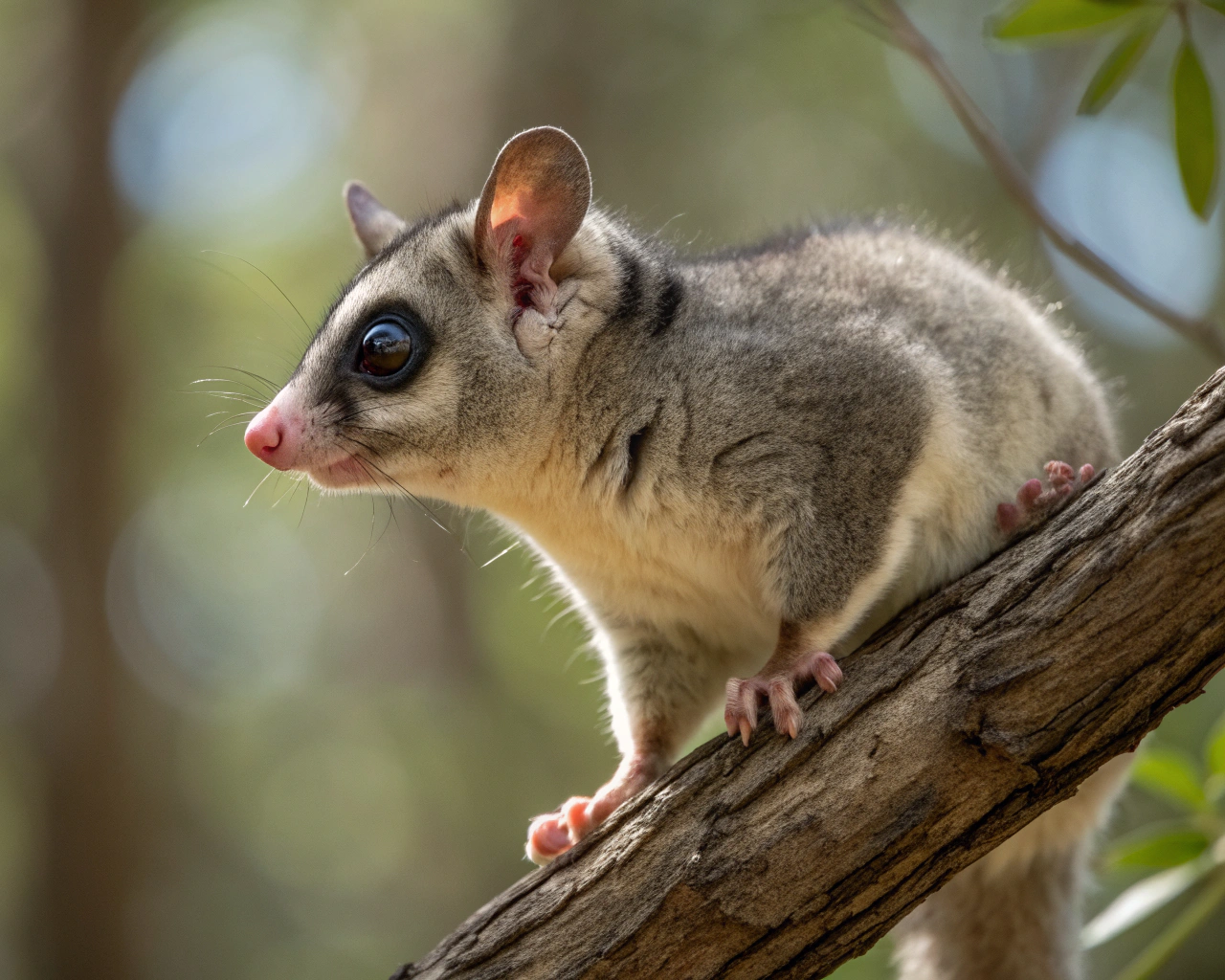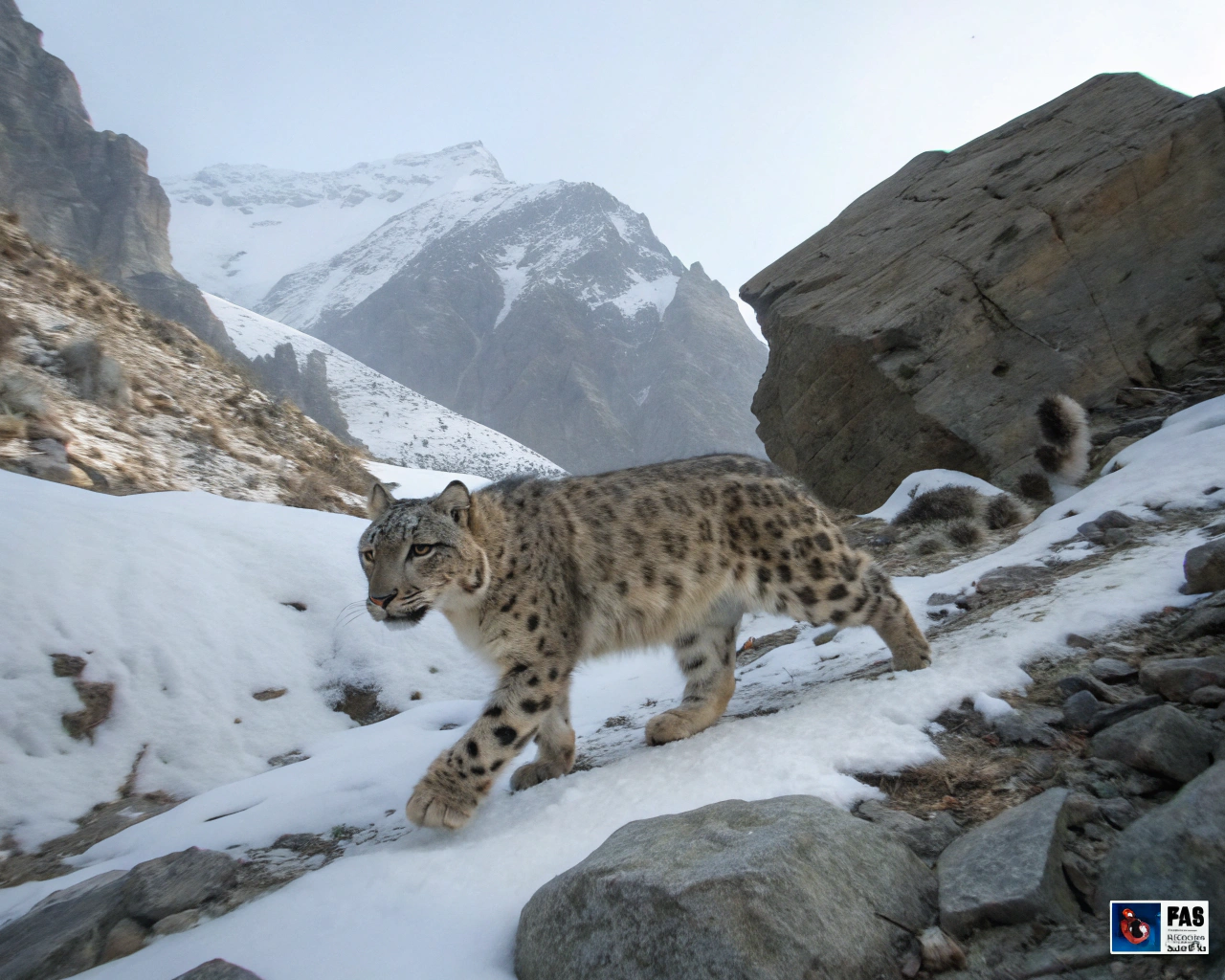

Remote wildlife cameras are revolutionizing our understanding of nature. They capture moments that would otherwise remain hidden, revealing the secret lives of animals across the globe. Researchers and enthusiasts alike have turned to this technology to observe wildlife behaviors without human interference. With applications spanning conservation efforts to personal hobbies, there’s a lot to explore about these remarkable devices.
What Are Remote Wildlife Cameras?
Remote wildlife cameras, often known as trail cameras, are motion-activated devices designed to capture images and videos of animals in their natural habitats. These cameras are equipped with sensors that detect movement, resulting in photographs or videos being recorded when wildlife passes by. Many models are also equipped with infrared flash for night-time shooting, making it possible to document nocturnal species.
How They Work
When an animal triggers the motion sensor, the camera activates, capturing either a photo or a video clip. Most modern cameras allow users to adjust settings such as resolution, shooting mode, and detection range to tailor to specific filming needs. They are also often weatherproof and built for durability, allowing them to operate in diverse environments—whether it's the forests of Canada or a local backyard.
The Impact of Remote Cameras on Wildlife Observation
Remote wildlife cameras have opened new doors for understanding animal behavior. They provide insights that traditional observation methods can't. For example, researchers can study how often certain species visit specific areas, their feeding habits, mating rituals, and movement patterns without the stress of human presence disturbing them.
Benefits of Using Wildlife Cameras
- Non-invasive Monitoring: Cameras don't disturb wildlife, allowing for more natural behavior observation.
- Extended Viewing Time: Unlike human observers, cameras can function around the clock.
- Diverse Situations: They can capture footage in various environmental conditions, from sunny days to stormy nights.
- Data Collection: Researchers can gather extensive data over long periods, aiding in crucial conservation efforts.
Common Applications of Remote Wildlife Cameras
Remote wildlife cameras serve multiple purposes, from academic research to personal use. Here are some key applications:
- Wildlife Research: Scientists utilize these cameras to collect data for behavior studies, biodiversity assessments, and monitoring endangered species.
- Conservation Efforts: Monitoring wildlife populations helps track local threats, such as poaching or habitat degradation.
- Personal Enjoyment: Many people use wildlife cameras in their backyards to discover which creatures visit their space. This is increasingly popular among families and nature enthusiasts.
Frequently Asked Questions about Remote Wildlife Cameras
How do I choose the best wildlife camera for my needs?
When selecting a wildlife camera, consider the following factors:
- Camera Resolution: Higher resolution yields clearer images and videos.
- Detection Range: Cameras vary in how far away they can detect movement.
- Battery Life: Consider how long the camera can operate before needing new batteries.
- Storage Capacity: Determine how many photos/videos your camera can save before requiring a memory card change.
- Night Vision Capability: Make sure the camera has infrared or other night vision features if you're interested in nocturnal wildlife.
Exploring Wildlife Through the Lens
Even in remote regions, wildlife cameras have showcased stunning visuals of hidden creatures. For example, grizzly bears in the remote mountains of Canada have been captured in their natural habitat, offering insights into their activities (Zack Clothier). Other footage reveals rarely seen behaviors, such as small mammals foraging for food or birds performing intricate mating dances.
Noteworthy Examples
- Grizzly Bears: Cameras showcase astonishing details about their feeding behaviors.
- Rare Species: Some cameras have documented previously unseen species, contributing to biodiversity research.
- Social Interactions: Watching species in groups can illuminate social structures and interactions not typically visible to human eyes.
Innovations in Wildlife Camera Technology
As technology advances, so do the capabilities of wildlife cameras. Recent models often include features like:
- Wi-Fi Connectivity: Allowing users to receive images directly to their smartphones.
- Voice Control: Some newer models even come equipped with smart functionalities to streamline operation.
- AI Integration: Advanced cameras can distinguish between species and recognize common behaviors, providing automated analysis.
Conclusion
The world of remote wildlife cameras is vibrant and full of potential. Whether you are a researcher or an enthusiastic hobbyist, these devices unveil the enigmatic lives of creatures that roam our planet. They foster a deeper understanding and appreciation of wildlife, which is crucial as we move toward more sustainable conservation efforts. Remember to consider your specific needs when looking for your own camera, and get ready to witness unseen wonders.
This article is intended for informational purposes only and not a substitute for professional wildlife management advice. Always respect wildlife and their habitats while observing them.
For further details on selecting and using trail cameras, you can refer to articles such as those by Zack Clothier Photography and resources found on dedicated wildlife observation websites.